

Epoxy flooring is a tough, shiny coating that turns plain concrete into a strong, long-lasting surface. Factories, warehouses, and garages across the UK love it because it stands up to heavy machines, chemicals, and spills. If you run a business or manage a big space, this guide breaks it down step by step. We’ll cover what it is, why it works so well for UK needs, and how to get it done right.
In places like Coventry and Northampton, where industries thrive, epoxy floors keep operations smooth. They resist wear and look great for years. Ready to learn more? Let’s dive in.
What Is Epoxy Flooring?
Epoxy flooring starts with a special mix of resins and hardeners. When you spread it on the floor, it cures into a hard shell. This shell bonds tightly to concrete, creating a seamless surface.
The Basic Ingredients
Epoxy comes from two main parts: the resin and the hardener. Mix them, and a chemical reaction happens. It heats up a bit and turns liquid into solid rock-hard material. This process takes hours or days, depending on the type.
Think of it like super glue for floors, but thicker and tougher. It fills cracks and levels bumps, making old concrete new again.
Types of Epoxy Floors
Not all epoxy is the same. Here are common kinds:
- Self-leveling epoxy: Flows smooth on its own, perfect for flat warehouses.
- Mortar epoxy: Thick mix for fixing deep damage, like potholes.
- Quartz-filled epoxy: Adds colorful chips for grip and style.
- Anti-static epoxy: Stops sparks in tech factories.
Each type fits different jobs. For UK Industrial Flooring, pick based on traffic and spills.
Why Choose Epoxy for UK Industrial Use?
UK factories face rain, cold winters, and heavy trucks. Epoxy handles it all. It’s a top pick for Durable Industrial Flooring Solutions because it lasts 10-20 years with care.
Strength and Durability
Epoxy is five times stronger than regular paint. It shrugs off forklifts weighing tons. Drop a tool? No dent. Spills from oil or paint? Wipe clean without stains.
In wet UK weather, it won’t peel or bubble. Tests show it resists impacts up to 1,000 psi, that’s like a car tire pressure times ten.
Chemical Resistance
Chemicals eat normal floors. Epoxy laughs them off. Acids, alkalis, fuels, none faze it. Food plants use it to meet health rules. Breweries in the Midlands swear by it for beer spills.
Easy to Clean and Safe
Dust and dirt slide off. Mop with soap and water. No grout lines mean no hiding spots for germs. Add grit for slip-proof surfaces, cutting accidents by 70%.
For busy UK sites, this saves time and money on upkeep.
Benefits of Epoxy Flooring for UK Businesses
UK people need floors that work hard without fuss. Epoxy delivers big wins.
Cost Savings Over Time
Upfront cost? £20-£50 per square meter. But it pays back fast. No repairs for years. One factory owner in the Midlands cut cleaning by half and saved £10,000 yearly.
Compare to tiles that crack or carpet that stains, epoxy wins.
Looks Professional
Shiny finish reflects light, brightening dim warehouses. Colors pop: gray for factories, blue for garages. Custom logos? Easy to add.
It boosts your brand. Customers see quality.
Quick Installation
Prep the floor, mix, pour, done in days. Businesses reopen fast, losing less money.
Eco-Friendly Options
New low-VOC epoxies cut fumes. Some use recycled materials. They meet UK green building standards.
The Installation Process Step by Step
Getting UK Industrial Flooring right needs pros. Here’s how it goes.
Step 1: Surface Prep
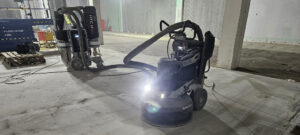
Clean the concrete. Grind or shot-blast to rough it up. Fill cracks with epoxy mortar. Moisture test? Vital in damp UK climates, too much water ruins the bond.
Step 2: Primer Coat
Roll on primer. It soaks in, gluing epoxy to concrete. Wait 24 hours.
Step 3: Base Coats
Pour main epoxy. Spread with squeegees and rollers. It levels itself. Add flakes for texture if needed. Cure overnight.
Step 4: Top Coat
Seal with clear urethane. Protects from UV and scratches. Full cure? 72 hours, but walk on it sooner.
Total time: 3-5 days for 1,000 sqm. Weather matters, avoid rain.
Applications in UK Industries
Epoxy fits everywhere heavy work happens.
Warehouses and Factories
Heavy pallets? No problem. Floor screeding Coventry pros use epoxy over screed for extra strength. It handles 24/7 traffic.
Automotive Garages
Oil drips everywhere. Epoxy soaks none. Bright colors show leaks fast.
Food and Pharma Plants
Hygienic and chemical-proof. Meets HACCP rules.
Commercial Spaces
Showrooms and hospitals get speckled finishes for style and clean.
In Northampton, showrooms shine with epoxy resin flooring Northampton.
Maintenance Tips for Long Life
Epoxy lasts if you care for it.
Daily Care
Sweep daily. Mop weekly with pH-neutral cleaner. Avoid harsh acids.
Yearly Checks
Look for wear. Touch up chips quick.
What Not to Do
Skip ammonia cleaners, they dull shine. No hot tires over 48 hours.
Follow this, and your floor stays new for decades.
Common Myths About Epoxy Flooring
Don’t believe the hype busters.
Myth 1: It’s Slippery
Truth: Add silica sand for grip. Tested to UK slip standards (R11 rating).
Myth 2: Yellows in Sun
Truth: New UV-stable formulas stay clear.
Myth 3: Too Brittle
Truth: Flexible grades bend without cracking.
Myth 4: Hard for DIY
Truth: Leave to experts. Bad prep fails 80% of home jobs.
Cost Breakdown for UK Projects
Budget smart.
- Small garage (50 sqm): £1,500-£3,000.
- Warehouse (500 sqm): £15,000-£30,000.
- Extras: Colors +10%, anti-slip +15%.
Factors: Floor condition, type, location. Midlands cheaper than London.
Get quotes from locals for best deals.
Why UK Weather Makes Epoxy a Must
Rainy, humid UK tests floors. Epoxy seals tight, blocking moisture. Cold snaps? No cracking. Hot summers in factories? Stays cool underfoot.
Compare to wood that warps or vinyl that peels, epoxy rules.
Future Trends in Epoxy Tech
New stuff coming:
- Bacterial-killing epoxy for hospitals.
- Conductive for EV charging stations.
- Thinner coats for retrofits.
UK innovators lead, like in resin tech.
Choosing the Right Provider
Pick firms with UK experience. Check portfolios, warranties (10+ years), and reviews. Ask about prep methods and products.
For Coventry or Northampton jobs, local knowledge wins.
Conclusion
Epoxy flooring stands out as the smart choice for UK businesses seeking reliable, high-performance surfaces. From its unbeatable durability against daily wear to its ease of cleaning and professional shine, it tackles the challenges of industrial spaces head-on. Whether you’re dealing with heavy machinery in Coventry warehouses or chemical spills in Northampton factories, epoxy delivers long-term value that saves money and hassle.
Investing in quality Durable Industrial Flooring Solutions like this means less downtime, fewer repairs, and a space that impresses. With proper installation and basic care, your epoxy floor will serve you for decades. Don’t settle for weak alternatives, upgrade to epoxy today and step into a stronger future for your operations.