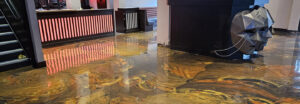


Industrial epoxy floor coating transforms factories, warehouses, and manufacturing plants into safer, cleaner environments where workers can focus without worrying about slips or germs. These durable coatings are applied over concrete surfaces to create seamless, hard-wearing floors that resist daily abuse while maintaining high hygiene standards. Companies like Stomp Resins Ltd demonstrate excellence in this area through their precise installations, as evidenced by their outstanding screeding and grinding projects that consistently exceed client expectations. In this comprehensive guide, we’ll explore exactly how Industrial Epoxy Floor Coating enhances both safety and hygiene through practical, real-world benefits.
Understanding Industrial Epoxy Floor Coating Basics
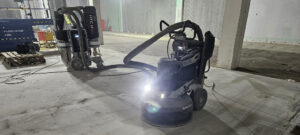
At its core, Industrial Epoxy Floor Coating involves mixing a resin with a hardener to form a liquid that cures into an incredibly tough, protective layer. Professional installers first prepare the concrete surface by grinding it to create the perfect profile for adhesion. They then apply multiple layers, typically 2-6mm thick, that cure quickly for minimal downtime: light foot traffic is possible within 24 hours, and full loading capacity returns in just a few days.
What sets this coating apart is its seamless application, eliminating joints or cracks where dirt could accumulate. Customization options like colored flakes, anti-slip grit, or glossy finishes allow businesses to tailor the floor to their specific needs while ensuring long-term performance of 15-20 years.
Enhancing Safety Through Superior Slip Resistance
One of the most critical safety improvements from Industrial Epoxy Floor Coating is its ability to prevent slips, which account for a significant portion of workplace injuries. By incorporating anti-slip aggregates like silica sand or aluminum oxide during installation, the surface achieves a pendulum slip rating exceeding 36, even when wet from spills or tracked-in rain. This means workers’ boots maintain traction during quick movements, while forklifts execute sharp turns without skidding.
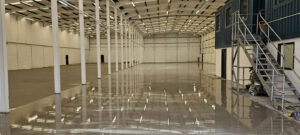
The coating’s bright, reflective finish further aids safety by illuminating potential hazards, making oil spots or debris visible from a distance. Brightly colored edge markings create clear hazard zones, guiding foot traffic away from dangerous machinery. With surface flatness maintained to within 2mm tolerance across 10 meters, there’s no risk of tripping over uneven patches.
Proven Impact Resistance for Heavy-Duty Environments
Building on slip prevention, Industrial Epoxy Floor Coating excels in impact resistance, protecting both workers and equipment. Rated at 10,000 psi compressive strength, it withstands dropped tools, pallet impacts, and the constant pressure of 5-ton forklifts without denting or cracking. The slight flexibility in the cured resin absorbs shocks rather than transferring them through to the underlying slab, preventing costly structural damage.
Vibrations from heavy machinery are another common hazard, but the coating dampens these effectively, eliminating the micro-cracks that lead to larger failures over time. Compliance with UK Health and Safety Executive (HSE) standards is seamless, as the material meets requirements for load-bearing capacity and surface regularity.
Fire Resistance and Chemical Safety Features
Safety extends beyond physical hazards to fire protection and chemical exposure. Industrial Epoxy Floor Coating achieves Class 1 fire ratings, meaning it resists flame spread and produces minimal smoke during a fire emergency, giving occupants critical time to evacuate. This is particularly vital in environments with flammable materials like oils or solvents.
When chemicals spill, common in manufacturing, the seamless surface prevents penetration, containing liquids on top for immediate cleanup rather than allowing them to seep into cracks and create fume hazards. During installation, low-VOC formulations and proper ventilation ensure the curing process doesn’t compromise air quality, transitioning smoothly to a safe, operational space.
Revolutionizing Hygiene Through Seamless Design
Moving from safety to hygiene, the true magic of epoxy flooring systems lies in their non-porous, seamless construction that eliminates bacterial breeding grounds. Traditional concrete or tiled floors have grout lines and cracks where food particles, oils, and moisture collect, fostering harmful bacteria. In contrast, Industrial Epoxy Floor Coating creates a continuous surface where spills simply bead up for effortless wiping, no deep cleaning required.
This design achieves 99% bacterial reduction naturally, making it ideal for food processing plants, pharmaceuticals, and healthcare-adjacent facilities striving for HACCP compliance. Dust accumulation drops dramatically, improving air quality and reducing respiratory issues among workers. For night cleaning crews, a 500 square meter floor that once took 2 hours to scrub now requires just 30 minutes of mopping, freeing up labor for other tasks.
Unmatched Chemical Resistance for Easy Maintenance
The chemical resistance of industrial floor coating solutions ensures hygiene remains effortless even in harsh conditions. Oils, acids, and cleaning agents, prevalent in factories, form beads on the surface rather than soaking in, preventing stubborn stains that require abrasive scrubbing. This withstands repeated high-temperature washes up to 120°C without degradation, maintaining both appearance and integrity.
Daily maintenance couldn’t be simpler: sweep away grit in the morning to prevent micro-scratches, followed by a weekly neutral pH soap mop. Annual buffing restores the high-gloss finish without specialty waxes. Small chips receive quick patches using matching kits, ensuring the floor remains hygienic without major interventions.
Illuminating Workspaces for Better Hazard Detection
An often-overlooked benefit is the high reflectivity of epoxy flooring systems, which bounces back 80% of light to brighten entire workspaces naturally. This reduces reliance on overhead lighting by 20%, cutting energy costs while making hazards like spills or obstacles immediately visible, even in large warehouses. Workers experience less eye strain and fatigue, contributing to fewer errors and accidents throughout long shifts.
The professional appearance also fosters workplace pride, potentially reducing staff turnover as employees appreciate a clean, modern environment.
Precision Flatness for Seamless Operations
Uneven floors create ongoing safety risks, from cart instability to worker fatigue. Epoxy self-levels during installation to achieve F30 flatness ratings, ensuring machinery sits securely and wheeled equipment moves effortlessly. Laser-guided application by skilled teams eliminates waves or slopes, providing a stable foundation that enhances overall operational safety.
Strategic Color Zoning for Efficient Navigation
Color coding takes safety and hygiene further by dividing spaces logically, red for high-risk machinery areas, blue for pedestrian walkways, and white for sterile food prep zones. These durable pigments withstand heavy traffic and cleaning without fading, enabling quick visual identification that speeds training and reduces collision risks. UV-reactive lines even glow under blacklights for enhanced nighttime visibility.
Resilience Across Temperature Extremes
UK facilities face temperature swings from freezing winters to hot production processes. Industrial Epoxy Floor Coating flexes without cracking through thousands of thermal cycles and maintains integrity up to 80°C from machinery heat, ensuring safety features like grip and flatness remain consistent year-round.
Specialized ESD Protection Where Needed
In electronics manufacturing, static sparks pose fire and product damage risks. Anti-static variants of the coating safely dissipate charges, protecting sensitive components while maintaining all hygiene and slip-resistant benefits.
Complementary Safety Integrations
Installers often incorporate coved baseboards for seamless wall transitions, preventing dirt buildup, alongside integrated drain channels for wash-down areas. These enhancements create comprehensive industrial floor coating solutions tailored to specific workflows.
The Business Case for UK Facilities
With HSE fines reaching £20,000 per serious slip incident and tightening hygiene regulations, factories increasingly adopt these coatings. Energy savings, reduced cleaning labor, and near-zero repair needs deliver ROI within 1-2 years. Stomp Resins Ltd exemplifies reliable execution through their minimal-disruption approach.
Selecting Installers for Maximum Benefits
Choose teams offering grit samples, documented pull tests exceeding 300 psi, and 10-year warranties. Site visits reveal their tidiness and professionalism, key indicators of quality results.
Conclusion
Industrial Epoxy Floor Coating elevates workplace safety through superior slip resistance, impact protection, fire retardancy, and flat precision, while revolutionizing hygiene with seamless, chemical-resistant, low-maintenance surfaces. These industrial floor coating solutions and epoxy flooring systems create environments where accidents plummet, compliance soars, and operational efficiency thrives. Businesses gain safer teams, passing inspections, and substantial cost savings, making investment essential for modern facilities.