

Installing a shed, whether for storage, a workshop, or a garden office, is a valuable investment for homeowners and businesses alike. However, the long-term performance and stability of any shed depend heavily on what lies beneath it. A poorly prepared base can lead to uneven floors, water ingress, structural movement, and costly repairs over time. This is why understanding concrete shed foundations is essential before starting any installation project.
Concrete foundations are among the most reliable and durable options available, especially in areas like Norwich where ground conditions and weather fluctuations can affect structural stability. In this guide, we’ll cover everything you need to know about concrete shed foundations, including preparation, installation, and why professional expertise matters.
Why Concrete Shed Foundations Matter
Before diving into installation methods, it’s important to understand the importance of a solid shed foundation and how it affects the overall lifespan of your structure.
Structural Stability and Load Support
A concrete foundation provides a firm, level base that evenly distributes the weight of the shed and its contents. This is particularly important for:
- Large garden sheds
- Timber workshops
- Equipment storage units
- Home offices or hobby rooms
Without a stable foundation, sheds can shift or sink over time, leading to misaligned doors, cracked walls, and compromised structural integrity.
Protection Against Moisture and Ground Movement
Concrete slabs act as a barrier between the shed and the ground. This prevents moisture from seeping up into the structure, reducing the risk of rot, mould, and corrosion. In regions like Norwich, where soil conditions can vary, concrete foundations also help counteract ground movement caused by seasonal weather changes.
Types of Shed Foundations: Why Concrete Stands Out
While there are several foundation options available, concrete remains the preferred choice for long-term reliability.
Common Shed Foundation Options
- Gravel Bases: Affordable but prone to movement
- Paving Slabs: Suitable for small sheds but limited load-bearing capacity
- Timber Frames: Vulnerable to moisture and decay
- Concrete Slabs: Durable, level, and weather-resistant
Advantages of Concrete Shed Foundations
Concrete foundations offer unmatched durability and versatility. They support heavier loads, resist weather damage, and require minimal maintenance once installed. This makes them ideal for permanent shed installations or any structure intended for long-term use.
Importance of a Solid Shed Foundation
The importance of a solid shed foundation goes beyond basic stability, it directly affects usability, safety, and longevity.
Prevents Structural Damage
Uneven or unstable bases can cause sheds to twist or settle unevenly. Over time, this leads to cracking, warping, and premature wear. A properly installed concrete foundation eliminates these risks.
Improves Usability
A level concrete slab ensures that shelving, machinery, and furniture inside the shed remain stable. This is especially important for workshops or sheds used for storage of tools and equipment.
Enhances Property Value
A professionally installed shed with a solid foundation adds functional outdoor space and enhances overall property appeal. Buyers and inspectors often view concrete foundations as a sign of quality construction.
How to Prepare the Ground for a Shed Foundation
One of the most critical steps in the process is understanding how to prepare the ground for a shed foundation. Proper preparation ensures the concrete slab performs as intended.
Step 1: Site Selection and Marking
Choose a location that is:
- Naturally level or easily levelled
- Free from tree roots or underground services
- Accessible for construction and future use
Mark out the area slightly larger than the shed footprint to allow for edge support.
Step 2: Excavation
Excavate the marked area to the required depth, typically between 150mm and 200mm, depending on soil conditions and shed size. This allows room for sub-base materials and the concrete slab itself.
Step 3: Sub-Base Installation
A compacted sub-base, usually made of crushed stone or hardcore, is essential. It:
- Improves drainage
- Prevents slab movement
- Enhances load distribution
The sub-base must be thoroughly compacted to avoid future settling.
Step 4: Formwork and Damp Proofing
Timber formwork defines the shape of the slab and holds the concrete in place during pouring. A damp-proof membrane is often installed to prevent ground moisture from affecting the slab and the shed above.
Concrete Slab Installation: The Core of a Reliable Foundation
The concrete slab installation process determines the final strength and durability of the shed foundation.
Pouring and Levelling
Concrete is poured evenly into the prepared area and levelled using screeding tools. Achieving a flat, even surface is essential for shed stability and ease of installation.
Reinforcement (When Required)
For larger sheds or heavier loads, steel mesh reinforcement may be added to increase strength and reduce cracking risk.
Curing and Finishing
Once poured, concrete must be allowed to cure properly. This process can take several days, during which the slab gains strength. Rushing this stage can compromise durability.
Professional Expertise vs DIY Foundations
While DIY shed bases are common, concrete foundations often require professional skills, tools, and experience.
Benefits of Hiring Professionals
Experienced contractors ensure:
- Correct depth and reinforcement
- Proper drainage and moisture protection
- Accurate levelling and finishing
- Compliance with building standards
Professionals also understand how concrete behaves under different conditions, reducing the risk of costly mistakes.
When to Consult Building Companies Norwich
Engaging reputable building companies Norwich is particularly important for larger or permanent shed structures. Professionals can assess soil conditions, recommend the appropriate slab thickness, and ensure long-term stability.
Concrete Foundations and Broader Flooring Applications
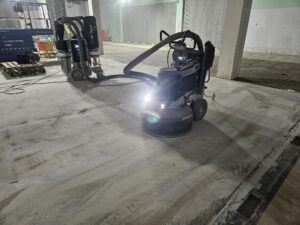
Concrete expertise extends beyond shed foundations. The same principles of preparation, levelling, and finishing are applied in advanced flooring solutions such as polished concrete floors, where surface precision and durability are critical. This highlights the importance of working with specialists who understand concrete at every stage, from foundations to finished floors.
Maintenance and Longevity of Concrete Shed Foundations
Once installed, concrete shed foundations require minimal maintenance.
Routine Checks
- Inspect for cracks or surface damage
- Ensure water drains away from the slab
- Avoid excessive point loads
Longevity Expectations
A well-installed concrete foundation can last decades with little intervention. This makes it one of the most cost-effective long-term solutions for shed installations.
Conclusion
Concrete shed foundations provide the strength, stability, and longevity required for sheds used in residential and commercial settings across Norwich. From understanding the importance of a solid shed foundation to mastering how to prepare the ground for a shed foundation, each step plays a crucial role in ensuring long-term performance.
Whether you’re installing a small garden shed or a heavy-duty workspace, professional concrete slab installation offers peace of mind and lasting value. By working with experienced contractors and applying proven construction methods, you can ensure your shed stands firm for years to come. For projects requiring expert levelling and surface preparation beyond foundations, services such as floor screeding Northampton further demonstrate the value of professional concrete solutions.