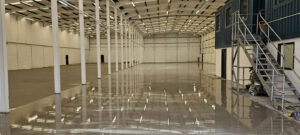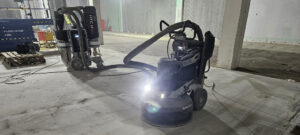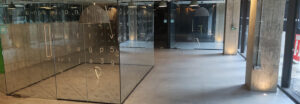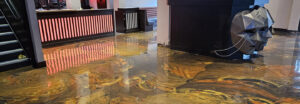


In industrial environments where floors endure heavy use, chemical exposure, and continuous foot and vehicle traffic, the choice of flooring system is critical. An industrial epoxy floor coating is often the go-to solution for facilities seeking durability, chemical resistance, and ease of maintenance. However, achieving a high-performance epoxy finish begins long before the coating is applied. The foundation beneath it, specifically floor screeding, plays a pivotal role in ensuring that epoxy floor systems deliver long-lasting performance that industrial spaces demand.
In this article, we’ll explore why floor screeding matters, how it supports industrial epoxy systems, and what benefits business owners can expect when both processes are done right.
What Is Floor Screeding?
Floor screeding is the process of applying a layer of cementitious or polymer-modified material to create a smooth, level surface on a concrete base. In industrial flooring projects, commercial floor screeding is performed before any decorative or protective coating is applied.
Purpose of Screeding
- Correction of Surface Irregularities: Industrial substrates are often uneven due to wear, previous coatings, or inconsistent installation. Screed corrects these imperfections.
- Level Base for Coatings: Many resinous systems, including epoxy, cannot perform optimally on uneven or cracked surfaces. Screeding creates a level and stable base.
- Moisture Regulation: Specialized screeds can help regulate moisture in substrates, preventing later bonding issues with resin systems.
Types of Screeds Commonly Used
- Traditional Cement Screeds: Standard concrete-based screeds used for general levelling.
- Polymer-Modified Screeds: Enhanced with polymers for improved flexibility and adhesion.
- Fast-Setting Screeds: Used where downtime must be minimised.
By preparing a reliable substrate through commercial floor screeding, facilities ensure that subsequent coatings, like epoxy systems, adhere correctly and perform for years.
Why Floor Screeding Must Precede Epoxy Coating
When industrial epoxy coatings are applied to poorly prepared floors, premature failures such as cracking, delamination, blistering, or coating breakdown can occur. Good substrate preparation, which often includes screeding, directly influences long-term performance.
Improved Adhesion and Bond Strength
Epoxy coatings rely on mechanical and chemical bonding to the substrate. If the floor surface is uneven or contains weaknesses, the epoxy cannot bond fully. Floor screeding ensures a uniform surface, maximizing the contact area and mechanical grip of the epoxy system. This leads to:
- Stronger adhesion
- Minimised risk of peeling
- Greater resistance to impact and shear forces
Elimination of Surface Defects
Old industrial concrete may have:
- Cracks
- Spalling
- Pitting
- Oil or chemical stains
These defects become stress points under load. Screeding masks and corrects these issues, creating a smooth and continuous surface for the epoxy coating to be applied evenly, an absolute must for long-lasting industrial flooring systems.
Enhanced Load Distribution
Industrial environments often involve heavy machinery, forklifts, and constant foot traffic. A well-screeded floor reinforces the substrate so that weight is distributed more evenly. This reduces point loading stress on the epoxy coating and helps prevent surface damage.
Moisture Control
Concrete slabs may retain moisture from the ground or humidity, which can disrupt epoxy curing and cause blistering or bubbling. Screeds formulated to manage moisture transmission (such as moisture-tolerant screeds) help create a more stable environment for epoxy application.
Benefits of Epoxy Floor Coating for Industrial Spaces
Industrial facilities are not just warehouses, they are complex environments where productivity, safety, and cleanliness are essential. Applying a high-performance epoxy floor coating transforms concrete slabs into surfaces that support these goals effectively.
1. Durable Protection Against Heavy Wear
Industrial floors face daily abuse from vehicles, foot traffic, and dropped tools. Epoxy coatings are engineered to withstand:
- High compressive and tensile forces
- Abrasion from material handling
- Heavy equipment movement
The result is a robust surface that retains its integrity over time, reducing repair and replacement costs.
2. Chemical and Stain Resistance
In many facilities, floors are exposed to oils, solvents, acids, and cleaning agents. Epoxy’s dense, cross-linked molecular structure offers excellent resistance to:
- Chemical spills
- Fuel and oil leaks
- Industrial detergents
This makes epoxy coatings ideal for manufacturing plants, automotive workshops, food processing areas, and similar environments.
3. Enhanced Safety and Compliance
Epoxy systems can be customised with anti-slip aggregates and colour coding to improve visibility and safety. You can designate:
- Walkways
- Hazard zones
- Storage areas
Improved floor definition helps reduce workplace accidents and supports regulatory compliance.
4. Ease of Maintenance and Hygiene
Smoother, non-porous epoxy surfaces are much easier to clean than bare concrete. Spills can be wiped away without soak-in, and dust build-up is minimised. This makes epoxy floors particularly suitable for:
- Cleanrooms
- Food and beverage facilities
- Healthcare manufacturing
Floor Screeding Techniques That Help Epoxy Coatings Perform Better
The success of an industrial epoxy floor coating begins with how the floor is prepared. Below are key screeding techniques that maximise the performance of epoxy systems.
1. Traditional Cement Screeding
Used primarily to level large areas, traditional cement screeds are cost-effective and suitable for general levelling jobs. However, they must be properly mixed and cured to prevent shrinkage and cracking.
2. Polymer-Modified Screeding
Polymer admixtures enhance screed flexibility and adhesion. These screeds bond better to concrete and resist cracking, a major benefit in environments with temperature fluctuations or mechanical stress.
3. Fast-Curing Screeds
Where facility downtime must be minimised, fast-curing screeds help maintain production schedules. They allow epoxy coatings to be applied sooner without compromising performance.
4. Self-Leveling Screed Systems
Self-leveling screeds are flowable materials that automatically settle to a flat surface. These are ideal for achieving highly smooth and uniform bases, perfect for decorative or high-performance epoxy coatings.
Best Practices for Preparing Floors Before Epoxy Coating
Ensuring the substrate is ready for an epoxy coating involves several critical steps:
✔ Assess Moisture Levels
Moisture testing helps identify if a screed with moisture-control properties is needed.
✔ Clean and Degrease the Surface
Mechanical cleaning, shot blasting, or diamond grinding removes contaminants and creates a profile that epoxy can bond to.
✔ Repair and Level
Cracks, pits, and delamination areas must be levelled using screeding products before coating.
✔ Allow Proper Cure Time
Screed needs time to cure fully. Rushing the epoxy application can trap moisture and cause coating failure later.
✔ Choose the Right Epoxy System
Every facility has unique needs, a chemical-resistant epoxy for labs differs from a heavy-duty floor in a manufacturing plant. Consulting professional epoxy flooring contractors ensures optimal selection.
Conclusion
A high-performance industrial epoxy floor coating doesn’t begin with the resin itself, it starts with the substrate. Proper commercial floor screeding prepares the base, corrects imperfections, regulates moisture, and ensures that the epoxy system performs optimally for years. Whether you’re upgrading an existing facility or installing new flooring, prioritising screeding before epoxy application is not optional, it’s necessary for longevity, safety, and return on investment.
With the right planning, experienced epoxy flooring contractors, and the correct execution of both screeding and epoxy installation, industrial floors can deliver exceptional durability while enhancing operational efficiency and facility aesthetics. For businesses in need of long-lasting solutions, investing upfront in both screeding and epoxy coating pays dividends in performance and peace of mind. Explore options for floor screeding Bristol and expert epoxy flooring installations to get started on a floor that truly lasts.