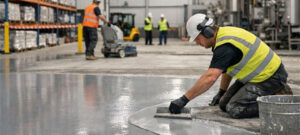


A beautiful top-layer floor, whether it is premium commercial tile, high-gloss epoxy resin, luxury vinyl tiling (LVT), or sleek polished concrete, is only as good as the foundation beneath it. Many property owners focus entirely on selecting the perfect final surface style, mistakenly assuming that durability depends solely on the upper wear layer. In reality, a flawless finish requires an expertly levelled, high-performance base layer to withstand daily wear and tear.
Without a stable, flat, and structurally sound subfloor, even the most expensive final floor covering will eventually fail. This is why a growing number of commercial property owners, warehouse managers, and residential developers across the East Midlands are prioritizing professional subfloor preparation.
Opting for professional Floor Screeding Leicester services has quickly become the ultimate solution for ensuring long-term architectural stability. By creating a dense, level smooth matrix directly over raw concrete bases, this critical installation phase ensures your final floor looks stunning and lasts for decades.
What is Floor Screeding and Why is it Essential?
To understand how screeding boosts floor lifespan, it is vital to know exactly what this process involves. Floor screed is a highly engineered, precisely mixed blend of cement, sharp sand, and chemical additives or water. Unlike standard structural concrete, which contains large, coarse aggregate stones to support the weight of a building, screed is fine-grained and designed specifically to be laid smoothly over a rough concrete base.
Creating an Level Platform
Raw concrete structural slabs are rarely perfectly flat when poured. They naturally develop minor ripples, dips, pits, and height variations as they cure. If you try to lay a final floor coating like epoxy resin or heavy commercial tile directly onto an uneven concrete slab, the top layer will flex under pressure, leading to cracking, hollow spots, and premature failure.
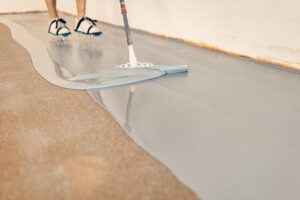
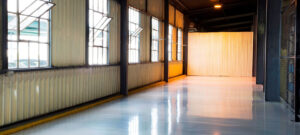
Applying a dedicated sand-and-cement or flowing liquid screed forms a perfectly level, smooth, and seamless platform. This ensures that the final flooring material lies entirely flat, distributing weight evenly across the entire surface.
The Role of Specialist Installers
Screeding is a highly precise process that demands expert mixing ratios, exact depth control, and professional finishing techniques. Relying on certified floor screeding contractors ensures that the subfloor bonds perfectly to the base slab without cracking, shrinking, or lifting.
Industry specialists like Stomp Resins bring years of commercial and industrial expertise to the process, carefully surveying site conditions to select and install the ideal screed formulation for maximum long-term performance.
How Professional Screeding Maximizes Floor Lifespan
1. Eliminating Structural Point-Loading
When heavy items, forklifts, or heavy foot traffic move across an uneven floor, weight is not distributed evenly. Instead, the pressure concentrates heavily on the high points of the subfloor, a problem known as point-loading.
Over time, this intense localized pressure causes brittle tiles to snap, wood planks to separate, and thin resin coatings to peel away from the base. A flat, professionally screeded floor distributes weight evenly across the entire surface area, completely removing localized stress points and significantly extending the lifespan of your top floor layer.
2. Enhancing Resistance to Impact and Heavy Loads
In busy commercial kitchens, industrial factories, and warehouses, floors face constant heavy impacts, rolling equipment, and shifting pallets. Standard, untreated concrete subfloors can easily crumble, pit, or dust under this continuous mechanical stress.
Advanced floor screeds are fortified with fiber reinforcements or specialized polymers, giving them exceptional compressive strength. This heavy-duty subfloor acts as a shock absorber, absorbing heavy impacts and preventing cracks from traveling up to your final decorative floor.
3. Preventing Dangerous Moisture Damage
Moisture is one of the leading causes of premature flooring failure. Raw concrete slabs retain moisture for a long time after pouring, slowly releasing water vapor over months or years. If a top floor covering is installed without a proper subfloor barrier, this rising moisture can break down adhesives, cause wood floors to warp, and trigger blistering in resin coatings.
Professional installers use damp-proof membranes (DPM) combined with specialized, fast-drying screeds to manage this moisture. This creates a secure barrier that seals vapor away from your premium top floor, keeping it beautiful and structurally sound.
The Core Types of Modern Floor Screed
Depending on your project’s specific needs, your installation team will choose from a variety of proven screed types to achieve optimal structural performance:
- Traditional Sand and Cement Screed: A classic, reliable mixture applied at a thick consistency. It is ideal for creating precise slopes or falls in wet environments like commercial kitchens.
- Flowing Liquid Anhydrite Screed: A self-levelling liquid poured quickly across large commercial spaces. It cures with exceptional speed and leaves a flawless finish.
- Polymer-Modified Screed: Infused with synthetic resins, this mix provides superior water resistance, fast curing times, and enhanced flexibility for high-stress industrial environments.
Maximizing Energy Efficiency via Underfloor Heating Integrations
A major reason why businesses and modern homeowners choose advanced floor screeding is its seamless integration with modern underfloor heating (UFH) networks. Laying screed over heating pipes offers twin benefits: exceptional thermal performance and long-term durability.
Liquid screed flows effortlessly around underfloor heating pipes, eliminating air pockets that would otherwise trap heat and create cold spots. According to comprehensive thermal performance data published by the Building Services Research and Information Association (BSRIA), liquid screed features up to four times the thermal conductivity of traditional sand-and-cement mixes.
This high thermal efficiency allows heat to transfer quickly and evenly through the floor, lowering your overall energy use. By keeping the floor at a stable, level temperature, it also prevents the rapid thermal expansion and contraction that can cause subfloors to crack and ruin your final surface.
The Long-Term Financial Value of Proper Subfloor Preparation
Skipping proper subfloor preparation to save on upfront costs is a major mistake that often leads to expensive repairs later. According to commercial construction cost data from RICS (Royal Institution of Chartered Surveyors), repairing a failed commercial floor can cost up to three times more than the initial installation due to teardown expenses, new materials, and business downtime.
Investing in a premium floor screed layer creates a highly resilient foundation that minimizes maintenance and prevents premature floor failure. Over time, the savings from avoiding costly repairs and early floor replacements easily offset the initial cost of professional screeding, making it an excellent investment for any facility.
The Stomp Resins Standard of Excellence
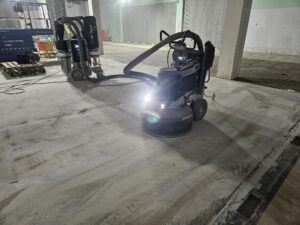
When preparing the foundation for your commercial or industrial property, working with a highly skilled, professional team is essential to achieving reliable results. Stomp Resins provides a comprehensive, end-to-end service, handling everything from initial site surveys and floor preparation to precision screed installation and final high-performance resin toppings.
By using top-tier materials and advanced installation techniques, their specialists ensure your subfloor bonds perfectly and deliver maximum durability. This gives you total confidence that your new floor is built to withstand the toughest daily demands.
Summary and Final Thoughts
The secret to a durable, high-performing floor lies right beneath the surface. Investing in a professional Floor Screeding Leicester service is a smart, effective way to protect your property, prevent cracking, and shield your top floor from moisture damage.
Whether you are upgrading a busy industrial warehouse, a commercial garage, or an office space with underfloor heating, a premium screed layer provides a perfectly flat, heavy-duty foundation. It ensures your final floor looks exceptional and performs flawlessly for years to come.