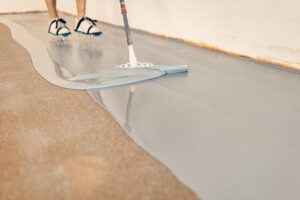


Epoxy and polyurethane are both used for durable industrial floors, but they are not interchangeable. The right system depends on substrate condition, traffic, chemicals, temperature, cleaning, slip resistance and how much downtime the operation can accept.
A flooring contractor may also specify a multi-layer system that uses different resin technologies for primer, build coat and finish. Product names matter less than the complete specification and preparation beneath it.
Stomp Resins installs industrial and commercial flooring systems in Birmingham, across the Midlands and on wider UK projects.
Epoxy Flooring Strengths
Epoxy systems can provide strong adhesion, high build, good compressive performance and a seamless finish. They are widely used in warehouses, workshops, production areas and commercial interiors. Different grades vary significantly, so a thin roller coat should not be compared directly with a heavy-duty trowel-applied system.
Polyurethane Flooring Strengths
Polyurethane systems are often selected where flexibility, thermal resistance or certain chemical exposures are important. Cementitious polyurethane floors can suit food production and hot-wash areas. Other polyurethane coatings provide durable finishes, but their performance still depends on thickness, substrate and operating conditions.
Impact and Abrasion
Forklifts, steel wheels, dropped tools, pallets and turning traffic create different stresses. The contractor should map high-wear routes, loading bays and impact zones before choosing thickness and aggregate. A floor that performs in light storage may fail quickly under concentrated industrial traffic.
Chemical Exposure
List actual chemicals, concentrations, temperatures, contact times and cleaning methods. General claims of chemical resistance are not enough. A substance tolerated during a short spill may damage the floor if it pools overnight. Bunds, drains and incident procedures should support the chosen resin system.
Heat and Thermal Shock
Hot liquids, steam cleaning and rapid temperature changes can stress the bond between coating and concrete. Food and beverage settings often need systems designed for thermal cycling. Ordinary epoxy may be suitable in stable-temperature areas but should not be assumed to tolerate every hot-wash process.
Movement and Cracking
Resin does not remove structural movement from a slab. Existing cracks, joints and transitions need assessment and suitable detailing. Some polyurethane finishes offer greater flexibility, but movement joints still need to function. Rigidly coating across an active joint often transfers the crack through the new floor.
Hygiene, Cleaning and Slip Resistance
Seamless surfaces can improve cleanability, but texture creates a balance between grip and ease of cleaning. A very rough floor may retain soil, while a smooth wet floor may be slippery. The specification should reflect contaminants, footwear, gradients and the site’s cleaning equipment.
Installation Time and Operational Downtime
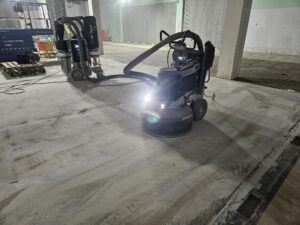
Preparation, repairs, cure and return-to-service times need to fit the production plan. Faster systems can reduce closure but still require correct moisture and temperature conditions. Phased installation may maintain access, provided joints between phases and traffic protection are planned carefully.
What to Prepare Before Requesting a Quotation
A useful quotation begins with accurate information. Photos and measurements can help an initial conversation, but they do not replace a survey where condition, access, compliance or hidden construction affects the recommendation. Prepare:
- the outcome you want and the problem you need to solve
- relevant photographs, drawings, manuals or previous reports
- known defects, changes and earlier repair or installation history
- access limits, operating hours and important programme dates
- questions about scope, exclusions, warranties and aftercare
Specify Industrial Resin Flooring with Stomp Resins
Stomp Resins can survey the substrate and operating environment before recommending an epoxy, polyurethane or combined system. A site-specific specification gives Birmingham businesses a more reliable basis for comparing performance, downtime and whole-life value.