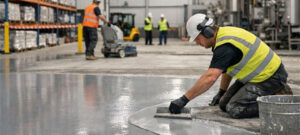


Industrial floors take more punishment than almost any other part of a commercial building. Forklift traffic, pallet movement, production equipment, chemical spills, moisture, impact damage and daily cleaning all place pressure on the surface. When the wrong flooring system has been installed, or an older floor has not been maintained properly, problems can quickly become expensive.
For warehouses, factories, workshops, distribution centres and commercial units, flooring is not just a cosmetic finish. It affects safety, hygiene, productivity, cleaning standards and long-term building performance. That is why many businesses turn to professional industrial flooring contractors when cracks, dusting, lifting coatings or uneven surfaces begin to appear.
Stomp Resins provides industrial and commercial flooring solutions, including resin flooring, epoxy flooring, polyurethane resin flooring, screed flooring, concrete flooring, floor preparation, polished concrete and overlays. For businesses dealing with floor failure, the right repair method depends on the cause of the problem, the condition of the substrate and how the space is used every day.
1. Cracks in the Concrete Substrate
Cracking is one of the most common industrial flooring problems. It can be caused by movement in the concrete slab, poor installation, thermal expansion, heavy loading, impact damage or settlement. Small cracks may appear harmless at first, but they can widen, collect dirt, allow moisture ingress and create trip hazards.
Professional contractors will assess whether the crack is static or moving. Static cracks can often be cleaned, prepared and filled using suitable repair mortars or resin-based systems. Moving cracks may need more detailed treatment, including flexible jointing or further investigation into the building structure.
A proper repair is not just about filling the visible gap. The floor must be prepared correctly so the repair bonds to the existing surface and can withstand daily use.
2. Dusty or Powdery Concrete Floors
Concrete dusting happens when the surface layer of the slab breaks down and releases fine powder. This can create cleaning problems, damage stock, affect machinery and make the workplace feel poorly maintained. In some environments, airborne dust can also create health and operational concerns.
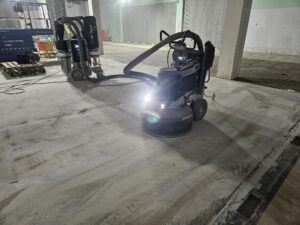
Industrial flooring contractors will normally start by identifying whether the dusting is caused by weak concrete, abrasion, old age, poor curing, moisture or unsuitable traffic. Depending on the condition of the floor, the solution may include grinding, surface preparation, densifiers, sealers or a resin coating system.
For many commercial environments, epoxy or polyurethane resin flooring can help create a tougher, cleaner and more manageable surface.
3. Worn, Flaking or Peeling Floor Coatings
A failing coating can make an industrial floor look tired, but the problem is usually more than visual. Peeling and flaking may expose the concrete below, reduce chemical resistance and create contamination risks in hygiene-sensitive areas.
This is often caused by poor surface preparation, incorrect product choice, moisture vapour, impact damage or applying a coating that is not suitable for the level of traffic. Simply painting over the top rarely solves the issue.
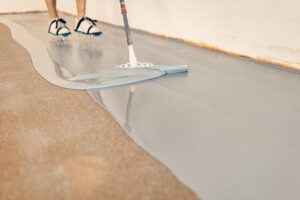
A professional repair normally involves removing the failed coating, preparing the substrate, checking moisture levels and installing a flooring system that suits the environment. Stomp Resins works with durable resin-based flooring systems designed for demanding commercial and industrial spaces.
4. Slippery Floors and Safety Risks
Slip resistance is a major concern in factories, workshops, food production areas, garages and loading zones. A floor that becomes slippery when wet, oily or dusty can increase the risk of workplace accidents.
Contractors can improve safety by installing anti-slip resin systems, textured finishes, line marking, safety walkways or coatings with suitable aggregates. The correct specification depends on how the floor is used, what liquids are present and how often the surface is cleaned.
The aim is to balance grip with cleanability. A surface that is too aggressive can trap dirt, while a finish that is too smooth may become unsafe under working conditions.
5. Chemical Damage and Staining
Industrial floors are often exposed to oils, fuels, cleaning chemicals, acids, alkalis or production residues. If the floor is not protected, these substances can stain, soften, pit or degrade the surface.
Professional industrial flooring contractors will look at the specific chemical exposure before recommending a system. Some businesses need chemical-resistant resin flooring, while others may need polyurethane screeds or specialist coatings designed for aggressive environments.
Choosing the correct flooring system at the start can reduce long-term repair costs and help maintain a safer, cleaner working environment.
6. Uneven Floors and Poor Drainage
Uneven floors can cause problems for forklifts, pallet trucks, racking systems and machinery. In wet areas, poor falls can also lead to standing water, hygiene issues and surface deterioration.
Depending on the severity, contractors may use grinding, smoothing compounds, screeds, overlays or localised repairs to improve the surface. Where drainage is involved, the floor design needs to be carefully considered so water moves towards the correct channels or outlets.
This is especially important in food, drink, manufacturing and washdown environments where hygiene and operational efficiency are closely linked.
7. Joint Failure and Edge Breakdown
Movement joints and construction joints are common weak points in industrial floors. Constant traffic from forklifts and pallet trucks can break down joint edges, creating impact damage, noise, vibration and safety risks.
The correct repair may involve cutting out damaged edges, rebuilding the joint shoulders and installing a suitable joint sealant or repair system. Where heavy traffic is present, the repair needs to be strong enough to withstand repeated wheel impact.
Ignoring joint failure usually makes the problem worse because every vehicle movement continues to damage the surrounding floor.
When Should You Call Industrial Flooring Contractors?
Businesses should seek professional advice when flooring damage affects safety, hygiene, productivity or the appearance of the premises. Warning signs include spreading cracks, dusting, lifting coatings, slippery areas, chemical damage, standing water, uneven surfaces and failing joints.
A professional contractor will assess the existing floor, understand the traffic and working environment, recommend the right system and plan the works around operational requirements where possible.
How Stomp Resins Can Help
Stomp Resins supports commercial and industrial clients with durable flooring solutions built around the demands of each site. From floor preparation and repairs to resin flooring, epoxy systems, polyurethane resin flooring, screed flooring and polished concrete, the team can help businesses create safer, stronger and easier-to-maintain floors.
If your industrial floor is cracked, dusty, worn or no longer fit for purpose, contact Stomp Resins to discuss the right repair or replacement option for your site.