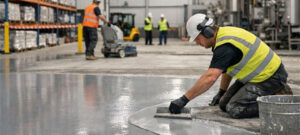


Commercial polished concrete flooring has emerged as a top choice for businesses seeking durable, attractive, and cost-effective surfaces in 2026. This complete guide explores everything from basics to advanced benefits, helping facility managers, architects, and business owners make informed decisions for retail stores, warehouses, offices, and industrial spaces.
Polished concrete transforms ordinary concrete slabs into high-gloss, low-maintenance floors through mechanical grinding, honing, and polishing. The process densifies the surface and creates a smooth, reflective finish that withstands heavy traffic while delivering a modern aesthetic.
What Is Commercial Polished Concrete Flooring?
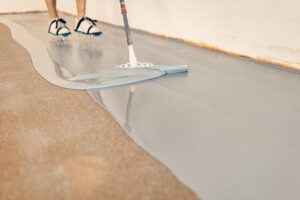
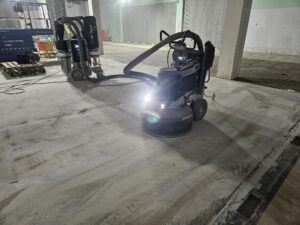
Commercial polished concrete flooring involves treating existing or new concrete substrates with progressive diamond grinding and polishing pads. Chemical densifiers harden the concrete, reducing porosity and increasing strength. The result is a seamless, joint-free surface with customizable gloss levels, from satin to high-gloss mirror finish.
Unlike coatings or overlays that sit on top of concrete, polished concrete works with the slab itself. This integration creates a monolithic floor that resists delamination and offers superior performance in demanding commercial environments.
In 2026, advancements in diamond tooling and densifier chemistry make the process faster and more consistent, even on large-scale projects.
Why Commercial Polished Concrete Flooring Is Gaining Popularity in 2026
Businesses today prioritize flooring that balances aesthetics, functionality, and sustainability. Polished concrete meets these demands perfectly.
The global polished concrete market continues strong growth, with projections showing expansion at a CAGR of around 5-6% through the decade, driven by demand in commercial and industrial sectors.
Commercial applications lead this trend because polished concrete supports high-traffic areas without frequent repairs. Its reflective surface improves natural and artificial lighting, potentially reducing energy costs by up to 30% in well-designed spaces through better light diffusion.
Additionally, the material aligns with green building standards like LEED, appealing to companies focused on environmental responsibility.
Key Benefits of Polished Concrete in Commercial Settings
Polished concrete delivers multiple advantages that directly impact operational efficiency and bottom-line costs.
Durability and Longevity
Polished concrete withstands heavy foot traffic, forklift movements, and equipment loads far better than carpet, vinyl, or tile. Its hardened surface resists abrasion, impacts, and chemicals commonly found in commercial environments.
With proper installation, these floors can last 20-50+ years or even decades with minimal intervention, far outlasting many alternative materials that require replacement every 5-15 years. This longevity translates into significant long-term savings.
Low Maintenance and Easy Cleaning
One of the biggest appeals is minimal upkeep. Daily sweeping or mopping with neutral cleaners keeps the floor looking pristine. No waxing, stripping, or frequent recoating is needed, unlike traditional sealed or coated floors.
Studies and industry analyses indicate polished concrete can reduce annual maintenance costs by up to 60% compared to waxed vinyl composite tile (VCT) systems. This frees up budgets and reduces downtime for cleaning crews.
Aesthetic Appeal and Design Flexibility
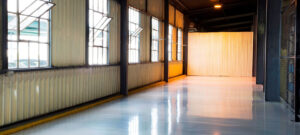
The high-gloss finish creates a sophisticated, modern look that enhances branding in retail spaces or professionalism in offices. Aggregate exposure levels allow customization, from subtle cream finishes to bold, decorative terrazzo-like effects with colored glass or stone chips.
Lighting reflects beautifully off the surface, making spaces feel brighter, larger, and more inviting.
Sustainability and Environmental Advantages
Polished concrete uses the existing slab, minimizing new material use and waste. It contains no VOCs after curing and supports healthier indoor air quality. Its thermal mass helps regulate building temperatures, contributing to energy efficiency.
In an era of stricter sustainability regulations, this flooring option helps achieve certification goals while lowering the overall carbon footprint of facility operations.
Safety Features
When properly honed, polished concrete meets or exceeds slip-resistance standards for commercial use. Anti-slip additives or specific grit levels ensure traction even in wet conditions, supporting compliance with health and safety requirements.
Cost Considerations and Return on Investment
Initial costs for polished concrete are competitive, often lower than installing new coverings. When factoring in lifecycle expenses, including maintenance, repairs, and replacement, the savings become substantial.
Industry data shows commercial polished concrete frequently offers the lowest total ownership cost among hard-surface options due to its extended lifespan and reduced upkeep.
For businesses in high-wear sectors like logistics or manufacturing, the ROI appears quickly through fewer interruptions and lower facility management expenses.
Polished Concrete Floors Birmingham: Local Expertise Matters
In the UK, regional specialists understand local building conditions, climate factors, and compliance requirements. Polished concrete floors Birmingham projects benefit from contractors familiar with West Midlands industrial and commercial landscapes, ensuring tailored solutions that perform reliably year-round.
Stomp Resins: Your Trusted Partner for High-Performance Flooring
When selecting a provider, experience and quality materials make all the difference. Stomp Resins, a leading name in industrial and commercial resin flooring based in the West Midlands, delivers expert solutions including polished concrete and overlays.
With a focus on durability, safety, and ease of maintenance, Stomp Resins combines polished concrete expertise with complementary systems like epoxy and polyurethane resins. Their team handles everything from floor preparation to full installation, offering bespoke services tailored to each client’s needs.
Stomp Resins stands out for its commitment to premium materials, professional craftsmanship, and minimal site disruption, qualities that ensure long-lasting, high-performance floors for warehouses, retail units, offices, and more. Their one-stop approach provides competitive pricing and reliable results across the UK.
Potential Challenges and How to Overcome Them
While highly beneficial, polished concrete requires proper substrate conditions. Older or damaged slabs may need extensive preparation. In very heavy industrial settings, additional protective treatments can enhance performance.
Working with experienced installers like Stomp Resins helps address these issues upfront through thorough assessments and customized specifications.
Color consistency can vary with natural concrete, but skilled polishing techniques and densifiers minimize visible differences.
Maintenance Tips for Long-Term Performance
Maintaining polished concrete is straightforward:
- Sweep or dust mop daily to remove grit.
- Damp mop with pH-neutral cleaners weekly.
- Avoid harsh acids or abrasives that could dull the finish.
- Reapply protective guards or sealers every few years as recommended by your installer.
Following these steps preserves the gloss and protective qualities for decades.
Conclusion
Commercial polished concrete flooring offers an unbeatable combination of strength, style, and savings for modern businesses. Its durability reduces replacement frequency, low maintenance cuts ongoing costs, and reflective beauty enhances any commercial space. As the market expands with strong CAGR projections, now is an excellent time to consider this versatile solution.
Whether upgrading an existing facility or planning new construction, polished concrete delivers measurable value through performance and aesthetics that stand the test of time and heavy use.
Partnering with specialists like Stomp Resins ensures professional results tailored to your
specific commercial requirements, creating floors that support operations efficiently for years to come.